How to Keep a Snake Plant Alive (The 'Un-killable' Plant Guide)
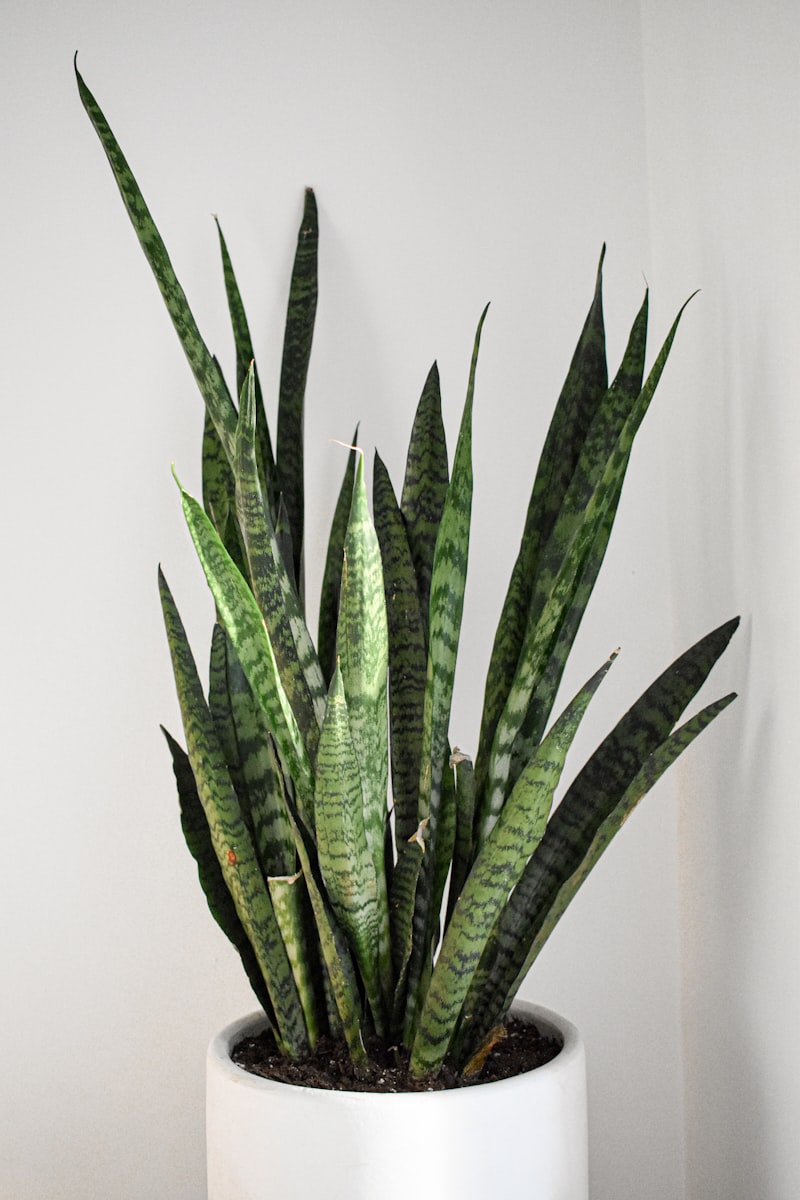
Snake plants have a reputation for being un-killable, and it's mostly earned. But when one does die, the cause is almost always the same: too much love. Here's how to keep yours thriving for decades.
Rule 1: Water less than you think
The snake plant stores water in its thick leaves and rhizomes. Water only when the soil is completely dry — every 2–3 weeks is usually right, and even less during the rainy season. Soggy soil rots the roots within weeks, and there's rarely any saving it.
Rule 2: Don't fuss over light
Snake plants tolerate everything from dim corners to bright indirect light — few plants are this flexible. They grow fastest in bright indirect light, but they genuinely survive in low light that would kill most houseplants. Just avoid harsh direct afternoon sun, which scorches the leaves.
Rule 3: Free-draining soil, always
Plant in a sandy, gritty mix and a pot with a drainage hole. If water pools at the bottom of the pot, root rot follows. Terracotta pots are ideal because they dry out faster.
Common problems and fixes
- Mushy, yellowing leaves at the base → overwatering. Stop watering, check roots.
- Wrinkled, curling leaves → thirsty. Give one deep watering.
- Brown, crispy patches → sunburn. Move out of direct sun.
- Falling over → root rot or an overcrowded pot. Inspect roots; repot if needed.
Free plants: propagation
Snake plants multiply by division — when pups appear at the base, separate them with some roots attached and pot them up. Leaf cuttings also root in soil, though variegated varieties grown from cuttings lose their yellow edges.