How to Grow Aloe Vera in Nigeria: The Complete Guide
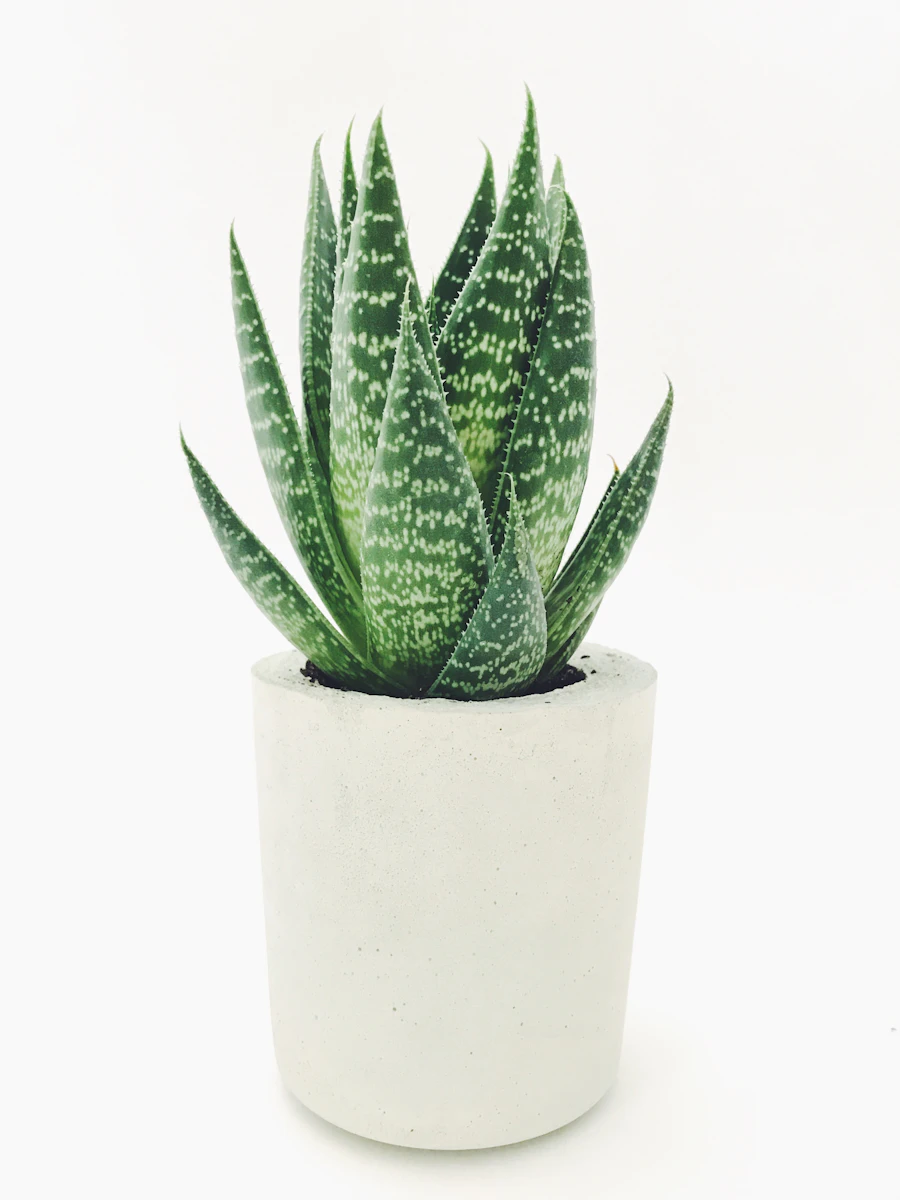
Aloe vera is one of the easiest and most useful plants you can grow in Nigeria. It survives heat, forgives forgotten waterings, multiplies on its own, and the gel inside its leaves is a proven home remedy for burns, cuts, and dry skin. Here's everything you need to grow it well.
Where aloe grows best
Aloe vera loves bright light. Outdoors, give it full morning sun or light afternoon shade. Indoors, a sunny window is essential — a dark corner will make the plant pale and leggy.
It handles Nigerian heat effortlessly, but hates waterlogged roots. During the rainy season, outdoor aloe should be in raised beds or pots you can move under cover.
Soil and potting
The single most important rule: fast-draining soil. Mix ordinary garden loam with plenty of coarse sand or buy a ready cactus/succulent mix. Always use a pot with a drainage hole.
- Terracotta pots are ideal — they breathe and dry faster than plastic
- Add a layer of gravel at the bottom for extra drainage
- Repot every 1–2 years when the pot fills with baby plants (pups)
Watering schedule
Water deeply every 2–3 weeks in the dry season, letting the soil dry out fully between waterings. During the rains, outdoor aloe may need no watering at all.
Soft, mushy leaves mean too much water. Thin, curling leaves mean the plant is thirsty.
Harvesting the gel
Wait until the plant is at least a year old. Cut one of the thick outer leaves close to the base, stand it upright for 10 minutes to drain the yellow latex (which irritates skin), then slice open and scoop the clear gel.
Use fresh gel directly on skin, or store it in the fridge for up to a week.
Common problems
Root rot from overwatering causes almost all aloe deaths — when in doubt, don't water. Brown tips usually mean too little water or harsh afternoon sun. Mealybugs occasionally attack; wipe them off with a cotton bud dipped in diluted neem oil.